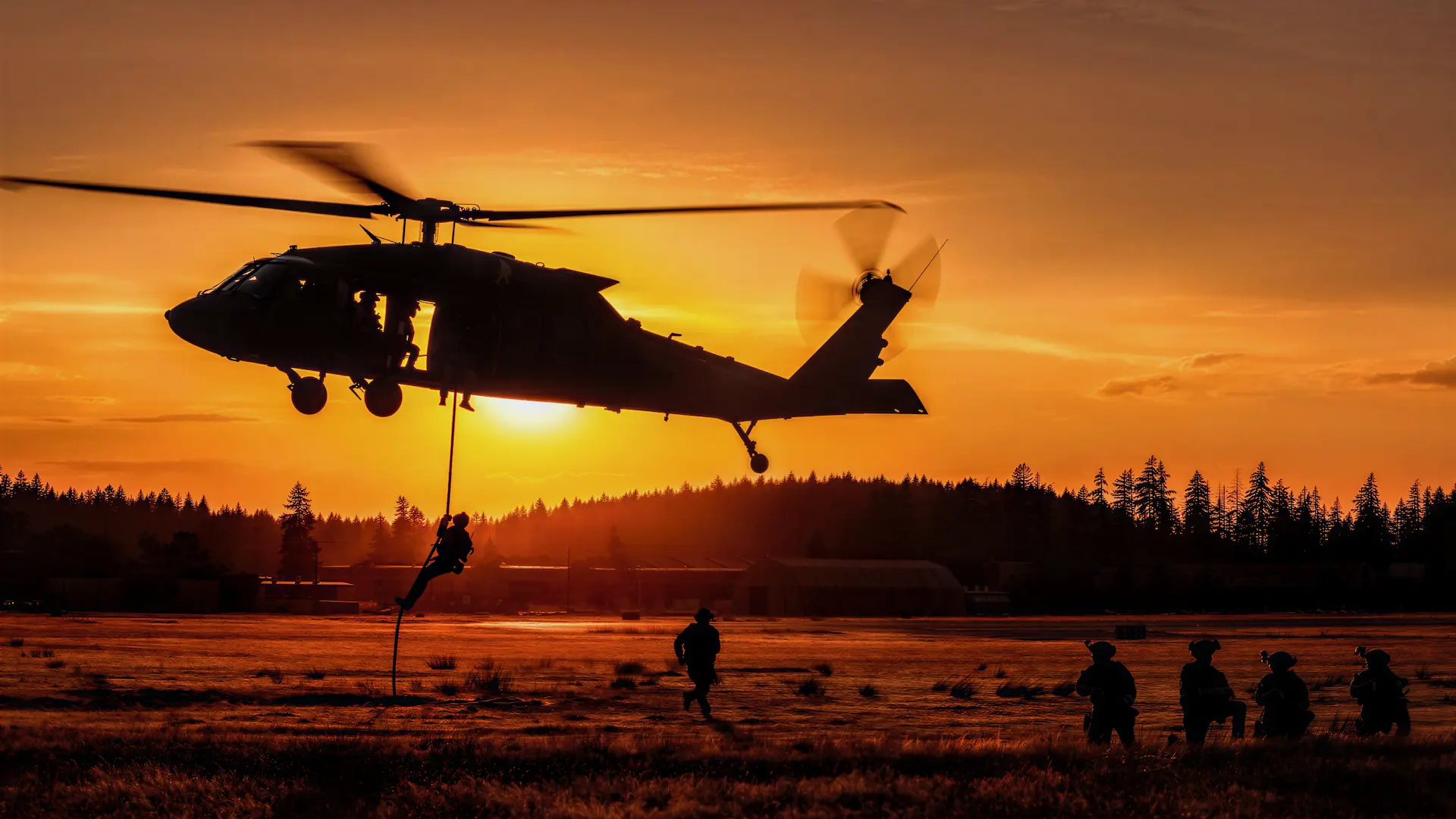
The Proving Ground
From squad leader to survivor
I joined the 101st Airborne Division at Fort Campbell as a Weapons Squad Leader. After years in the close-knit Special Forces world, I took on a different challenge: leading nine soldiers who had never deployed and depended entirely on experience they didn’t yet have.
On June 18, 1996, seventeen days after my promotion to Staff Sergeant, my squad was assigned to Chalk 2 for a live-fire air assault. At treetop level, the main rotor blades of our Black Hawk collided with Chalk 1. Both aircraft went down. Six soldiers died that day—five from our company, including our First Sergeant. I survived with injuries, and our unit had to keep going.
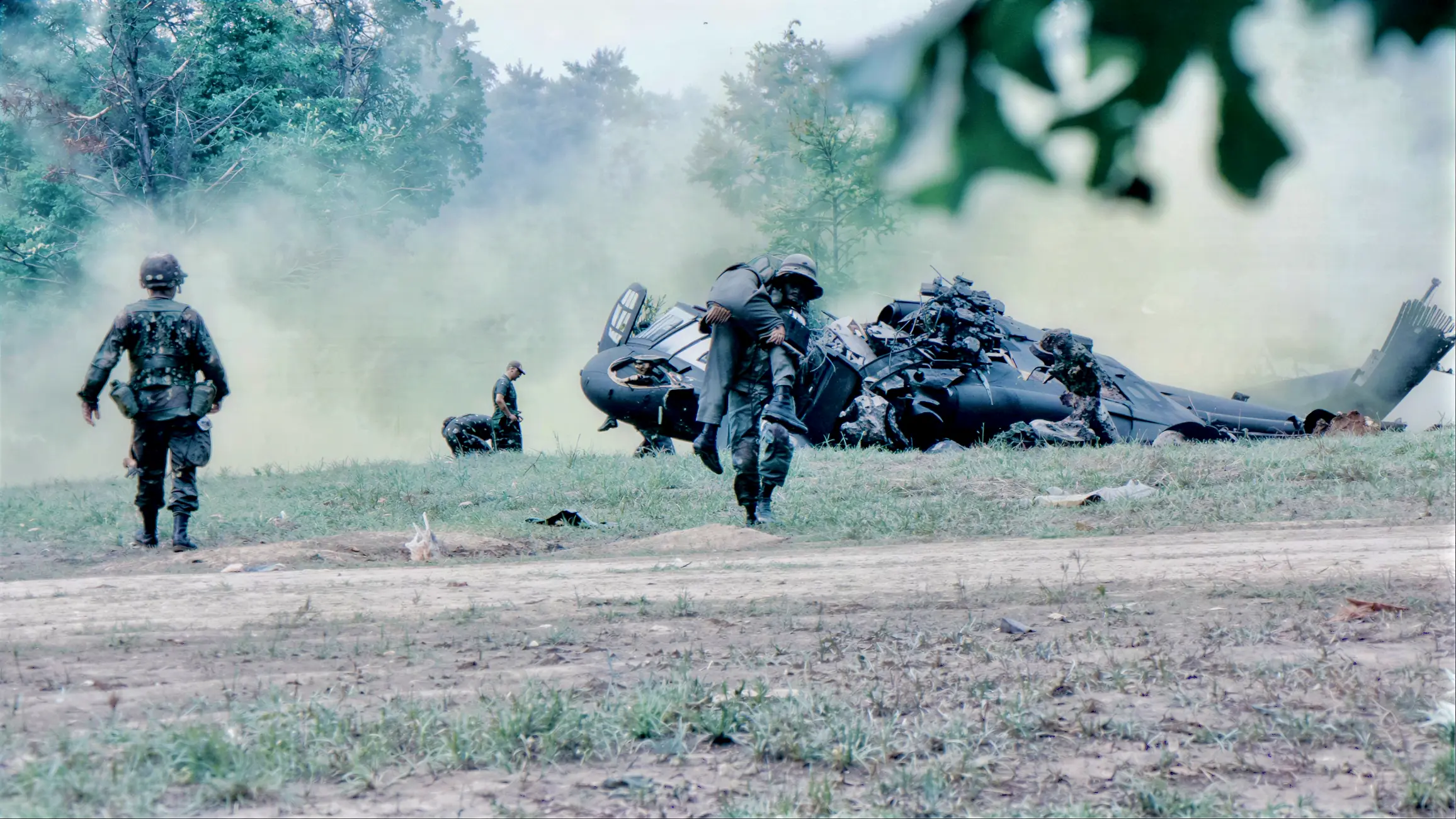
The Army Chief of Staff commended my actions in treating and evacuating casualties. During my recovery, I earned 24 college semester hours with a 4.0 GPA and underwent surgery. I returned to full duty, scoring a perfect 300 on my next Army Physical Fitness Test.
Building execution systems at scale
Within months of returning to full duty, I earned the Expert Infantryman Badge on my first attempt and the Air Assault Badge as Distinguished Honor Graduate. I was then selected as Senior Operations Manager for a 700-soldier air assault infantry battalion, a role typically held two ranks above mine.
I advised the battalion commander, ran the Pre-Ranger Course, and served as Senior Battle NCO for dozens of air assaults. I built a networked database to track real-time training statistics for five companies and designed a command-training program that qualified all leaders on core combat tasks, saving thousands of work hours each year.