
The Human Element
The cost of zero-fail
By the summer of 2000, my military record looked complete on paper. I had been awarded a second Meritorious Service Medal for my time at Fort Campbell and had been selected for promotion to Sergeant First Class. Accepting that promotion required a mandatory six-year reenlistment—a straight shot to the twenty-year retirement mark.
Instead, I walked away.
Years of relentless operational tempo had taken a toll that didn’t show on paper.
The midair collision at Range 54 killed six soldiers. I survived, returned to full duty, and performed—but the accumulation of trauma, loss, and sustained high-stakes leadership had outpaced my ability to absorb it. I recognized that remaining in a position where others depended on my judgment while my own capacity was no longer reliable was itself a liability.
Fourteen months after I left, the towers fell. The war my friends would fight started without me. That timing confirmed the cost of the decision without changing its necessity.
Rebuilding the foundation
I used my GI Bill to start over entirely. I studied psychology, graduated magna cum laude, and spent years as a grief counselor—working directly with individuals navigating crisis, loss, and recovery. That work rebuilt something the Army had consumed and gave me a fluency in human limits that no leadership course could replicate.
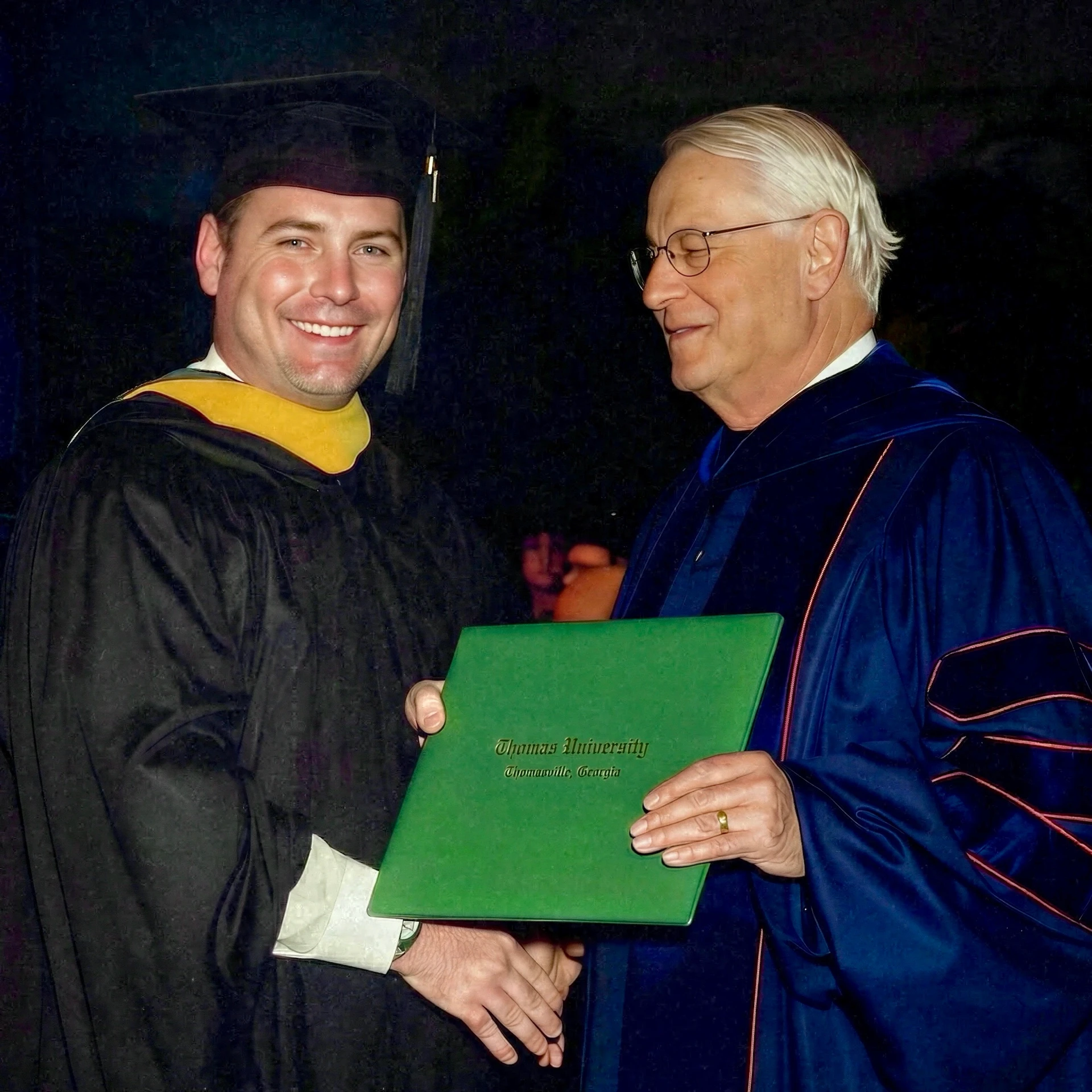
From there, I moved into technology—first as an iOS developer, then into engineering leadership. The transition wasn’t a pivot story. It was a deliberate rebuild: technical foundation first, then broader scope, each role pressure-tested before the next.
The through-line from signal operations to crisis counseling to software leadership has always been the same problem:
building systems that hold under pressure—without breaking the people inside them.