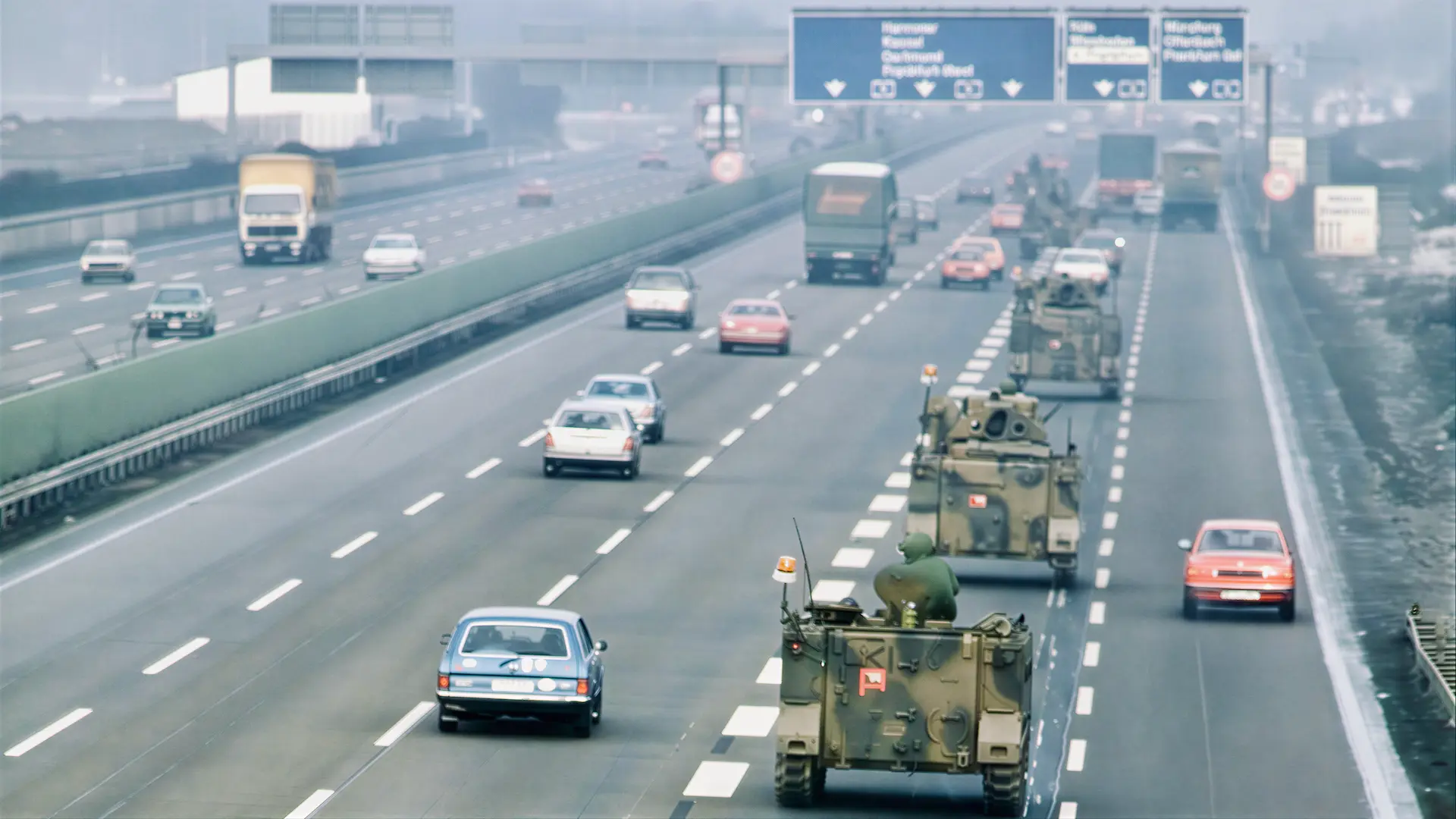
U.S. armored vehicles convoy along a German autobahn during a Cold War REFORGER exercise

The Signal Years

Early enlistment

I spent five years at a military boarding school before I ever enlisted. By May 1984, at seventeen, I joined the Alabama Army National Guard and was assigned to Signal Company, 20th Special Forces Group (Airborne). That summer, I completed Basic Combat Training at Fort Jackson as a trainee squad leader.

In August 1985, I began six continuous months of signal training at Fort Gordon. I was named Student Soldier of the Month and was twice selected to represent the battalion during senior command inspections. I was promoted to Specialist before finishing the course.

Then came Morse code. It seemed outdated, but it wasn’t. When satellite links failed, when radios were jammed, when the electronic battlefield went silent—Morse still worked. It was the last reliable method of communication in Special Forces.

After earning my Parachutist Badge at eighteen, I deployed to Italy for Exercise Flintlock. For thirty-three days, we fielded the AN/TSC-99—a prototype HF base station for Special Forces burst communications—and conducted joint airborne operations with Italian forces. That was my first exposure to a broader truth: communication isn’t just technical—it’s organizational.

Cold War operations at scale

In December 1986, I enlisted in the Regular Army and was assigned to the 8th Infantry Division in Mannheim, Germany. I ran radioteletype and high-frequency radio networks during REFORGER exercises—large-scale drills preparing for a Soviet invasion. Every transmission mattered. Every failure had consequences.

In 1988, I graduated from the Primary Leadership Development Course on the Commandant’s List and was promoted to Sergeant. I completed the Basic NCO Course as an Honor Graduate and began formal training in computing—recognizing early that signal operations were shifting toward digital systems.

Two years in Germany taught me what large-scale coordination really meant. Weeks in the field at Grafenwöhr and Hohenfels, maintaining radio nets that held a mechanized division together—where a single comms failure could leave a battalion without fire coordination. It was systems thinking at its most fundamental.

Designing for zero-fail environments?

When your platform can’t afford graceful degradation and every fallback protocol is load-bearing architecture.

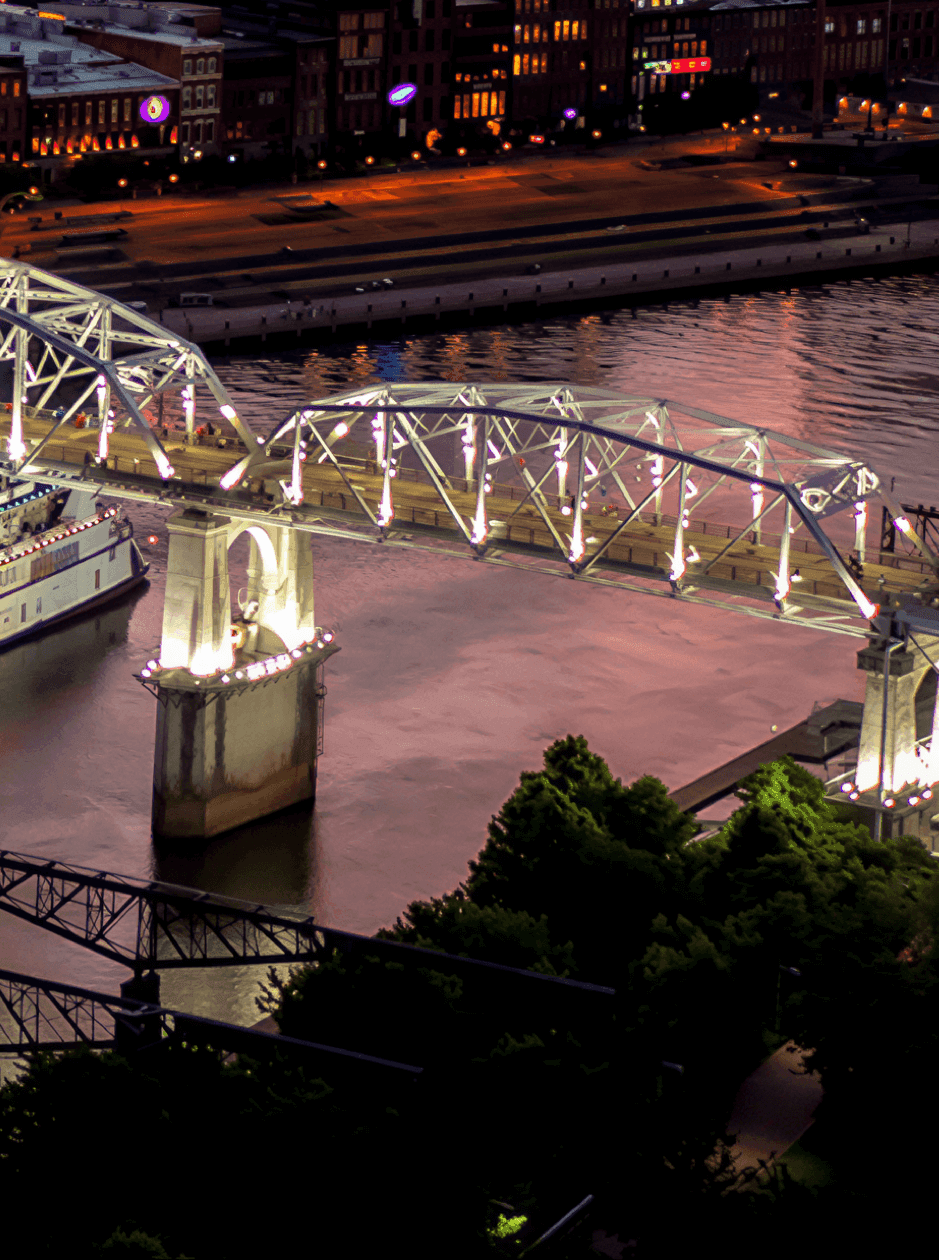
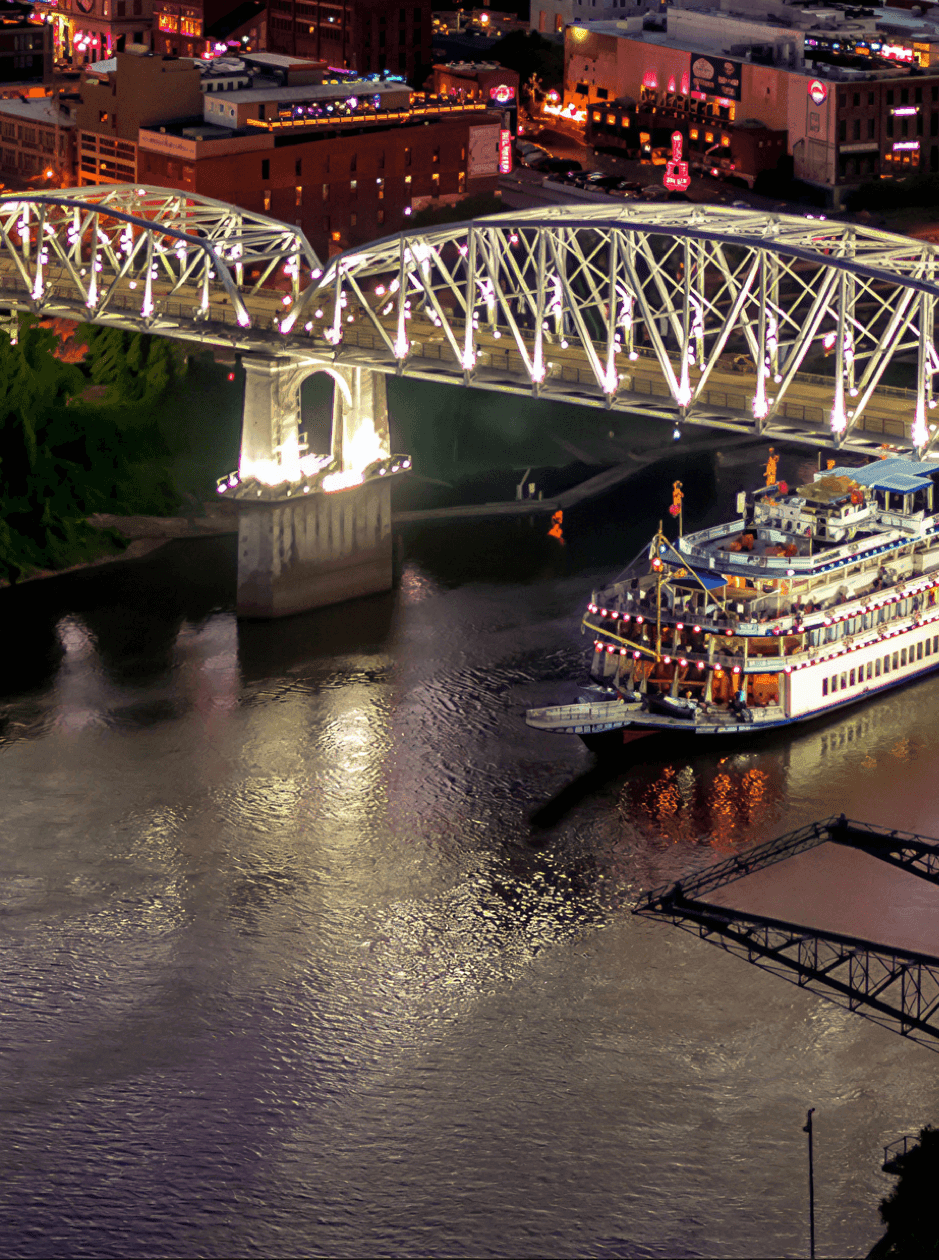
General Jackson riverboat passing under Shelby Street Bridge at night
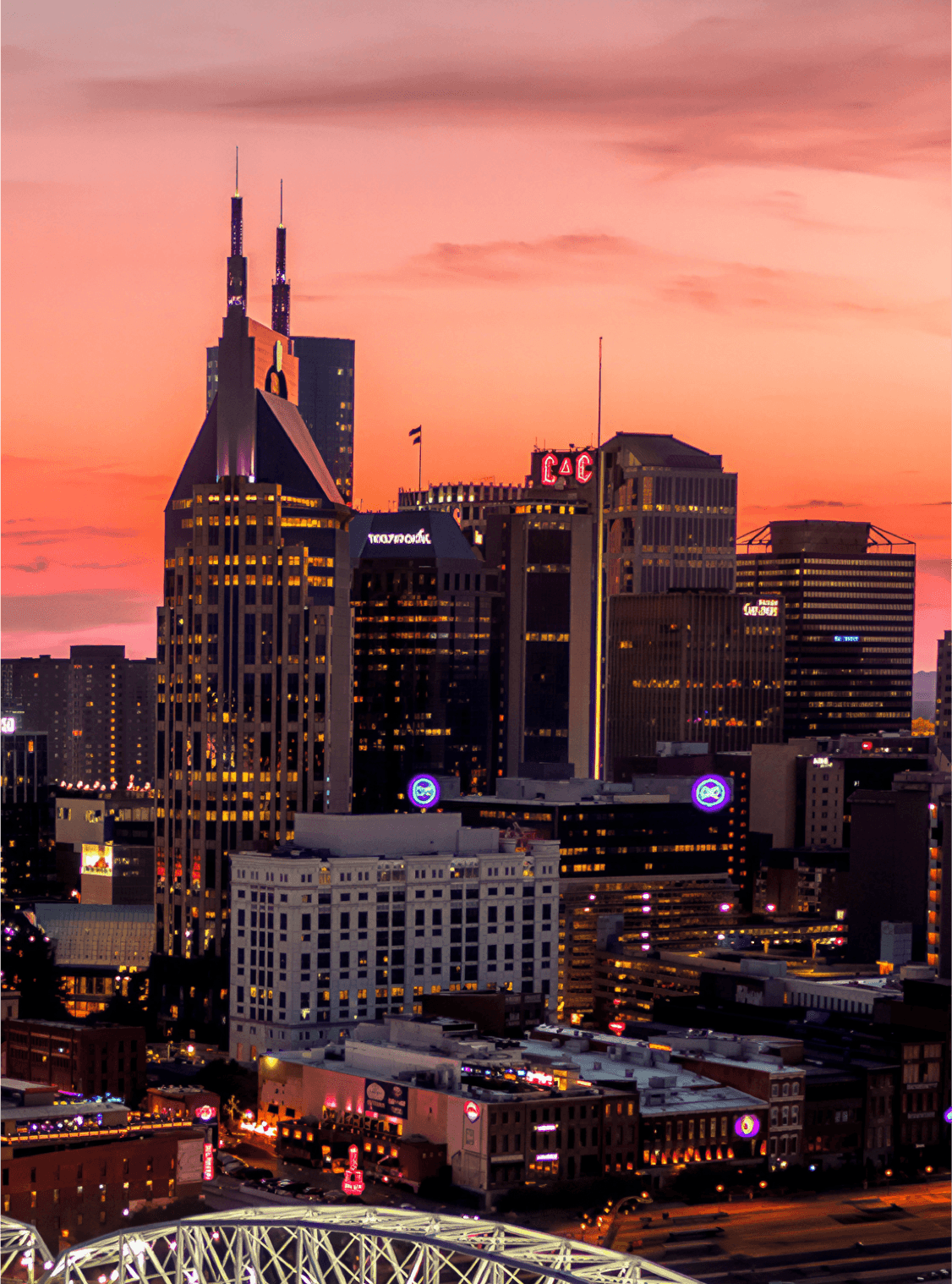
AT&T Building rising above downtown Nashville with Shelby Street Bridge below
General Jackson riverboat passing under Shelby Street Bridge at night
AT&T Building rising above downtown Nashville with Shelby Street Bridge below
General Jackson riverboat passing under Shelby Street Bridge at night
Shelby Street Bridge illuminated over the Cumberland River at night
Nashville east bank skyline under layered sunset clouds
Shelby Street Bridge illuminated over the Cumberland River at night
Nashville east bank skyline under layered sunset clouds

Designing for zero-fail environments?

When your platform can’t afford graceful degradation and every fallback protocol is load-bearing architecture.

General Jackson riverboat passing under Shelby Street Bridge at night
3. Nashville Skyline
General Jackson riverboat passing under Shelby Street Bridge at night
3. Nashville Skyline
General Jackson riverboat passing under Shelby Street Bridge at night
Shelby Street Bridge illuminated over the Cumberland River at night
Nashville east bank skyline under layered sunset clouds
Shelby Street Bridge illuminated over the Cumberland River at night
Nashville east bank skyline under layered sunset clouds

Designing for zero-fail environments?

When your platform can’t afford graceful degradation and every fallback protocol is load-bearing architecture.

General Jackson riverboat passing under Shelby Street Bridge at night
AT&T Building rising above downtown Nashville with Shelby Street Bridge below
General Jackson riverboat passing under Shelby Street Bridge at night
AT&T Building rising above downtown Nashville with Shelby Street Bridge below
1. Nashville Skyline
Shelby Street Bridge illuminated over the Cumberland River at night
Nashville east bank skyline under layered sunset clouds
Shelby Street Bridge illuminated over the Cumberland River at night
Nashville east bank skyline under layered sunset clouds