Leadership
When Soft Skills Drive Hard Outcomes
“In a high-IQ job pool, soft skills like discipline, drive, and empathy mark those who emerge as outstanding.” —Daniel Goleman
Coding brilliance is expected in tech, but emotional intelligence sets high-performing teams apart. Understanding and managing emotions unlocks potential, boosting collaboration, conflict resolution, and innovation.
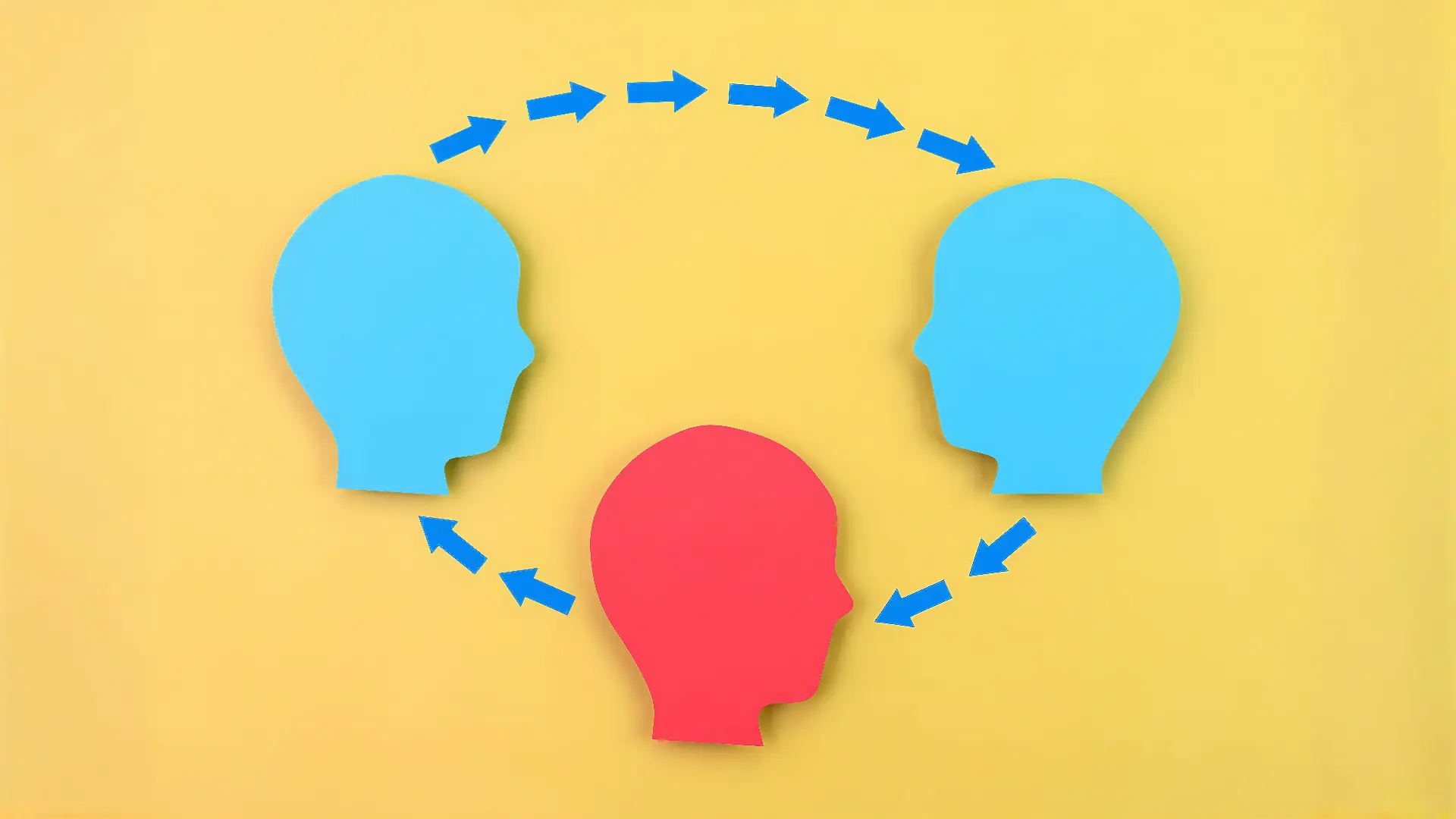
Diverse EQ styles fuel synergy. An empathetic listener builds trust, a meticulous analyst ensures precision, and a bold innovator sparks creativity. This mix of perspectives fosters clear communication and strong problem-solving.
EQ tames conflict. Disagreements become stepping stones, not roadblocks. Teams skilled in emotional awareness engage in constructive dialogue, address concerns with empathy, and find win-win solutions. Doing so keeps morale high and projects on track.
Innovation takes flight in an EQ-powered environment. Diverse viewpoints collide safely, sparking new ideas. Team members feel empowered to express themselves, creating a vibrant ecosystem where the next tech solution might be born.
The Build Playbook
Building an EQ-powered team isn’t magic, but it requires intention.
Open communication is vital. Create a culture where feedback is sought and dialogue is encouraged. Regular check-ins and dedicated channels bridge gaps between EQ styles.
Harness the power of tools. Teams can use frameworks like Nonviolent Communication and Crucial Conversations to navigate emotions, deepen awareness, and resolve conflicts productively.
Invest in individual EQ development. Members can identify strengths and weaknesses through workshops, role-playing, and feedback, then manage emotions and develop empathy.
Measured Results
EQ consultant Nathan Parcells worked with a struggling tech startup plagued by friction and stifled innovation. His intervention focused on building team emotional intelligence. The results:
Improved collaboration: Open communication and shared purpose reduced friction and increased team cohesion
Accelerated innovation: Diverse ideas flourished in a psychologically safe environment
Higher retention: A culture of empathy and appreciation improved morale and reduced turnover
Emotional intelligence isn’t a personality trait; it is team infrastructure. The three practices above create conditions where conflict becomes productive, perspectives compound, and technical talent reaches its full potential. The question isn’t whether to invest in EQ development, but whether you can afford not to.