Leadership
The Super-Facilitator: Your Team’s Missing Role
A few years ago, I sat in a sprint planning session that was going nowhere. Two senior engineers debated architecture for nearly an hour while the rest of the team stayed silent. Frustration grew, decisions stalled, and we left without a clear path forward.
The following week, a mid-level engineer stepped in with a different approach. She asked everyone to spend five minutes silently writing down their concerns and possible solutions before the discussion began. Once the debate opened, every voice was in the mix. Within an hour, the team reached a hybrid solution that everyone supported.
That wasn’t luck. That was facilitation.
Why Brilliance Alone Doesn’t Scale
Tech still clings to the myth of the genius: the 10x engineer, the rock star architect, the visionary CTO. But the truth is that modern software systems are too complex for individual brilliance to carry the load.
Carol Dweck’s research into Fortune 500 companies found that “cultures of genius” actually undermine collaboration and trust. Psychologist Anita Woolley’s groundbreaking studies on collective intelligence went further—showing that the smartest teams aren’t the ones packed with the brightest individuals. They’re the ones with what she calls the c factor: the ability to organize around each person’s strengths and build trust across the group.
That insight is game-changing: team chemistry outperforms individual IQ.
The Super-Facilitator’s Playbook
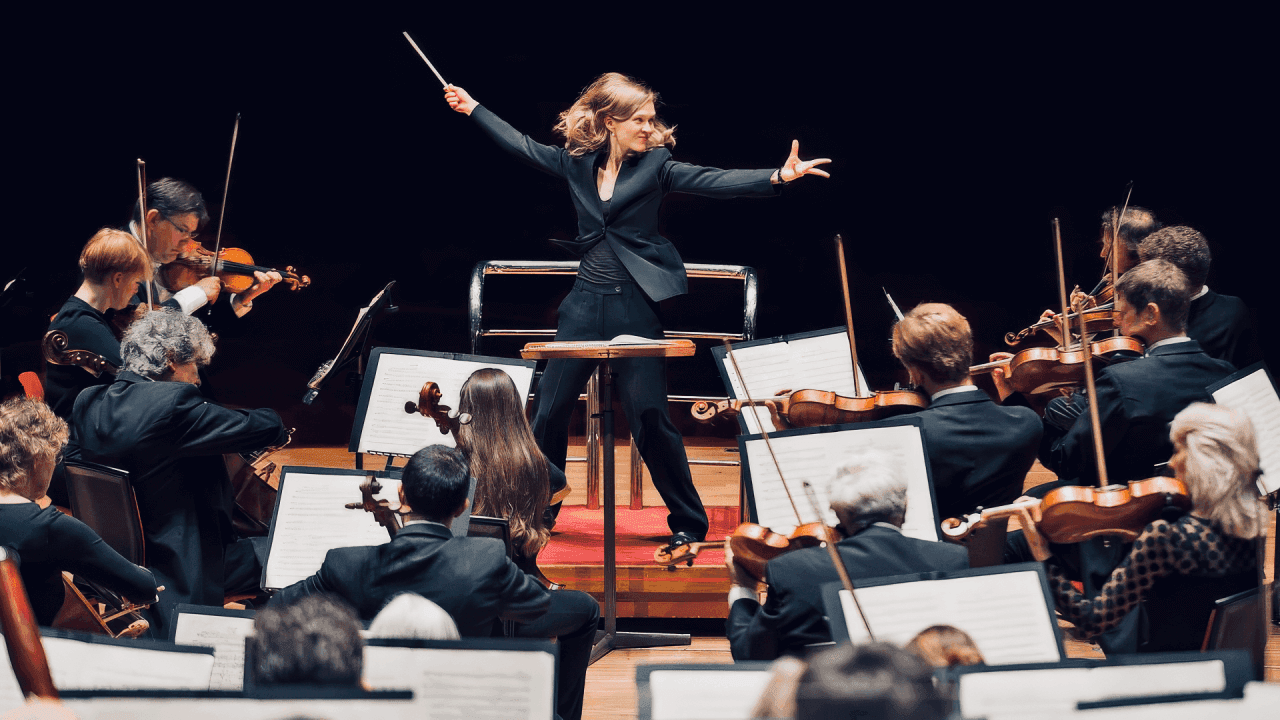
Super-facilitators unlock collective intelligence. They’re less like solo performers and more like conductors—ensuring the orchestra plays in time. In practice, they do three things consistently well:
1. Read the Room (and the Code)
They sense when someone is holding back, notice tension between teams, and draw out quieter voices. This awareness lets them:
Assign work to match strengths
Surface risks early
Create opportunities for people to shine
2. Build Trust Through Transparency
Trust is earned, not assumed. Super-facilitators explain trade-offs openly, admit uncertainty, and give ownership with support. When expectations and reasoning are clear, alignment follows.
3. Orchestrate Problem-Solving
Instead of letting the loudest voice dominate, they structure conversations. Techniques include:
Silent brainstorming: everyone writes before speaking
Round-robin feedback: each person contributes in turn
Visual mapping: whiteboards or digital canvases to surface actual points of disagreement
The result: decisions that actually stick.
How Leaders Can Apply This Today
You don’t need a manager’s title to facilitate. Start with small shifts:
In meetings: Begin with a question instead of an answer. Try silent brainstorms before open debate.
In hiring: Look for culture adds—people who expand perspectives—not just “fits.”
In decision-making: Document how choices get made. Delegate authority, and when you make a call, explain the why.
In team formation: Role-craft around strengths rather than slotting people into generic tasks.
These are simple habits, but they compound over time. Teams learn faster, onboard more smoothly, and carry less tech debt when facilitation is strong.
Why It Matters
Super-facilitation doesn’t just boost short-term productivity—it shapes long-term culture. Teams with strong facilitators retain talent, spread knowledge, and scale impact. In an industry where attrition is costly, facilitation is a competitive advantage. That’s why facilitation is one of the most overlooked but highest-leverage skills in engineering leadership.
Closing Thought
I’ve seen talented individuals stuck in deadlocked teams, and I’ve seen average teams transformed by a facilitator who drew out every voice. The difference is night and day.
Your team doesn’t need another rock star. It needs someone who can turn talent into collective intelligence—the kind that consistently solves problems no one could handle alone.
If you want to scale your impact as an engineering leader, don’t just scale code—scale facilitation.